

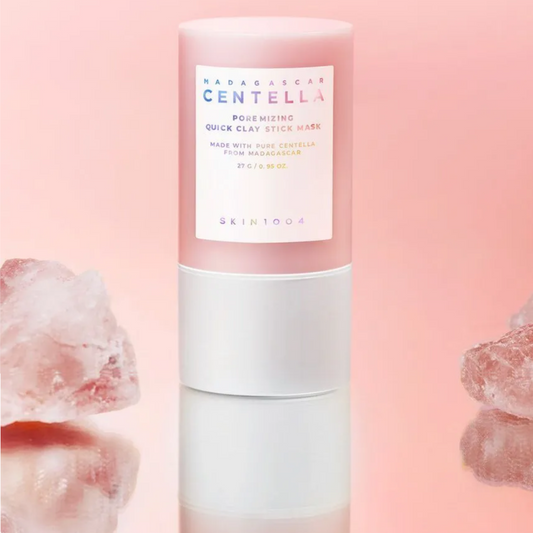
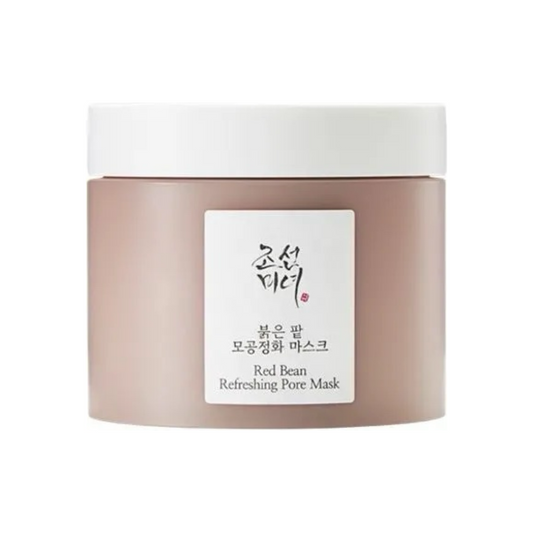
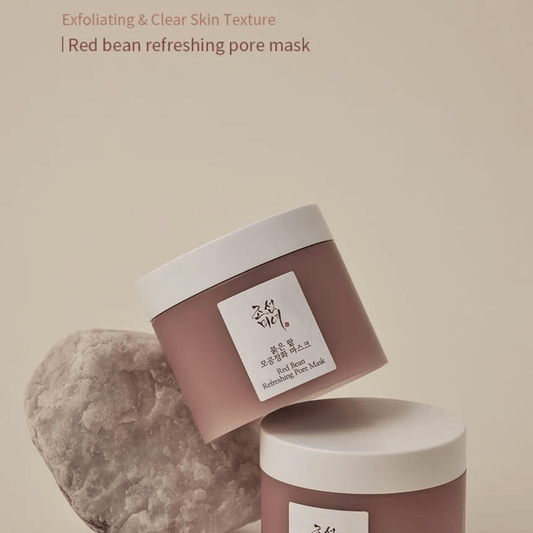
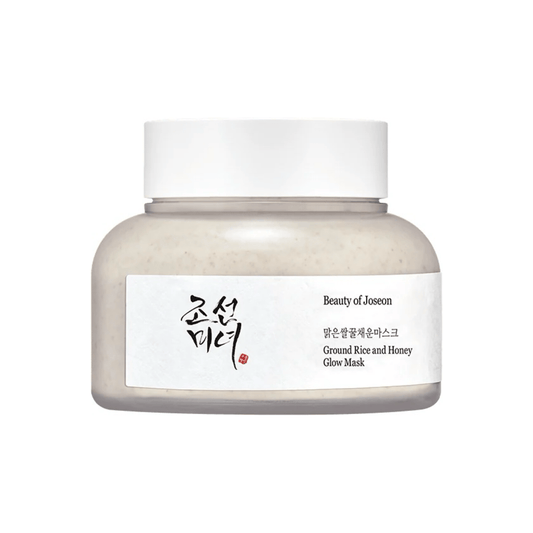
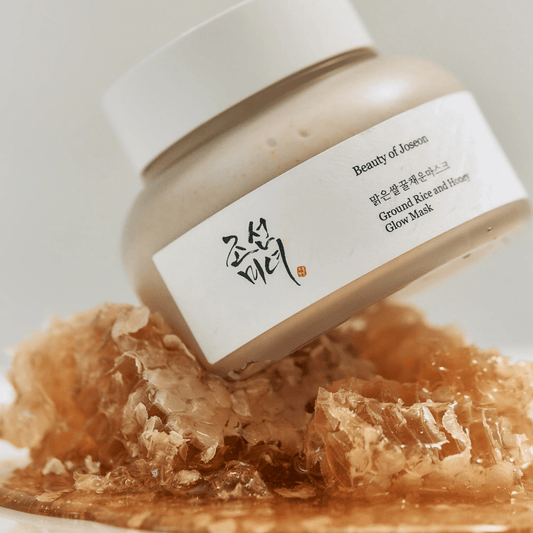

Clay Masks have been a skincare staple for good reason. They draw excess oil and impurities from the pores, help to balance the skin's surface, and leave the complexion looking clearer and more refined. Used correctly, they are one of the most effective ways to deep-cleanse without disrupting the skin barrier.
Ingredients to Look For in a Clay Mask
Not all clays are equal. Kaolin clay is the gentlest and most suitable for dry or sensitive skin - it cleanses without drawing too much natural moisture from the skin. Bentonite clay is more absorbent and better suited to oily or congested skin. French green clay sits between the two and is a popular all-rounder for combination skin. Beyond the clay itself, look for supporting ingredients that hydrate and soothe as the clay works - aloe vera, niacinamide, and plant extracts all help to keep the experience comfortable. Avoid formulas with high fragrance if your skin is sensitive.
Clay types by skin need
- Kaolin - gentle, suits dry and sensitive skin
- Bentonite - more absorbent, suits oily skin
- French green clay - balancing, suits combination skin
- Look for calming co-ingredients alongside the clay
How Often to Use a Clay Mask
For most skin types, once or twice a week is the right pace for clay masking. Oily or congested skin may benefit from twice-weekly use; drier or more sensitive skin will likely find once a week or even once a fortnight more comfortable. The key signal to watch for is how the skin feels the day after masking - well-cleansed, smooth, and balanced is the target. If skin feels tight, dry, or irritated after use, reduce frequency and look for a gentler kaolin-based formula. Clay masks should balance, not strip.
- Most skin types - once to twice weekly
- Dry or sensitive skin - once a week or less
- Oily or congested - twice a week
- Tight skin after use means reducing frequency
Dry, Sensitive, and Combination Skin
Clay masks are suitable for dry or sensitive skin when the right formula is chosen. Kaolin-based masks are particularly appropriate because they cleanse without over-stripping natural oils. Look for formulas that include hydrating actives - hyaluronic acid draws moisture into the skin while the mask works, preventing the tight feeling that some clay masks can cause. For sensitive skin, choose fragrance-free options and avoid masks with exfoliating particles or strong acids added to the formula. Apply to the T-zone only if you have combination skin, leaving drier areas untouched.
- Kaolin is the safest clay for dry skin
- Hyaluronic acid prevents tight post-mask feeling
- Fragrance-free is essential for reactive skin
- Spot-apply on T-zone for combination skin
What to Expect After a Clay Mask
Immediately after removing a clay mask, the skin typically looks clearer, with a visible reduction in shine and more refined-looking pores. Any initial tightness usually fades within minutes of applying your follow-up moisturiser. Over several weeks of regular use, the skin should show a more consistent balance - less congestion, a smoother surface, and reduced oiliness in prone areas. Always rinse the mask with warm water - cool enough not to irritate, warm enough to fully remove the formula - and follow with a hydrating serum and moisturiser to restore and protect the skin.
- Clearer, less shiny skin immediately after use
- Improved balance over several weeks of regular use
- Rinse with warm water - not hot
- Follow with hydration and moisturiser
Find your ideal clay mask in the range below. Whether your skin needs a weekly deep cleanse, a balancing treatment, or just a moment of calm ritual, there is an option here to suit.
